Blog · Technical notes

Technology, explained through engineering.

Analysis of AI, automation, cloud and software. No hype: what is changing, what works, and what to verify before taking a promise at face value.

More articles

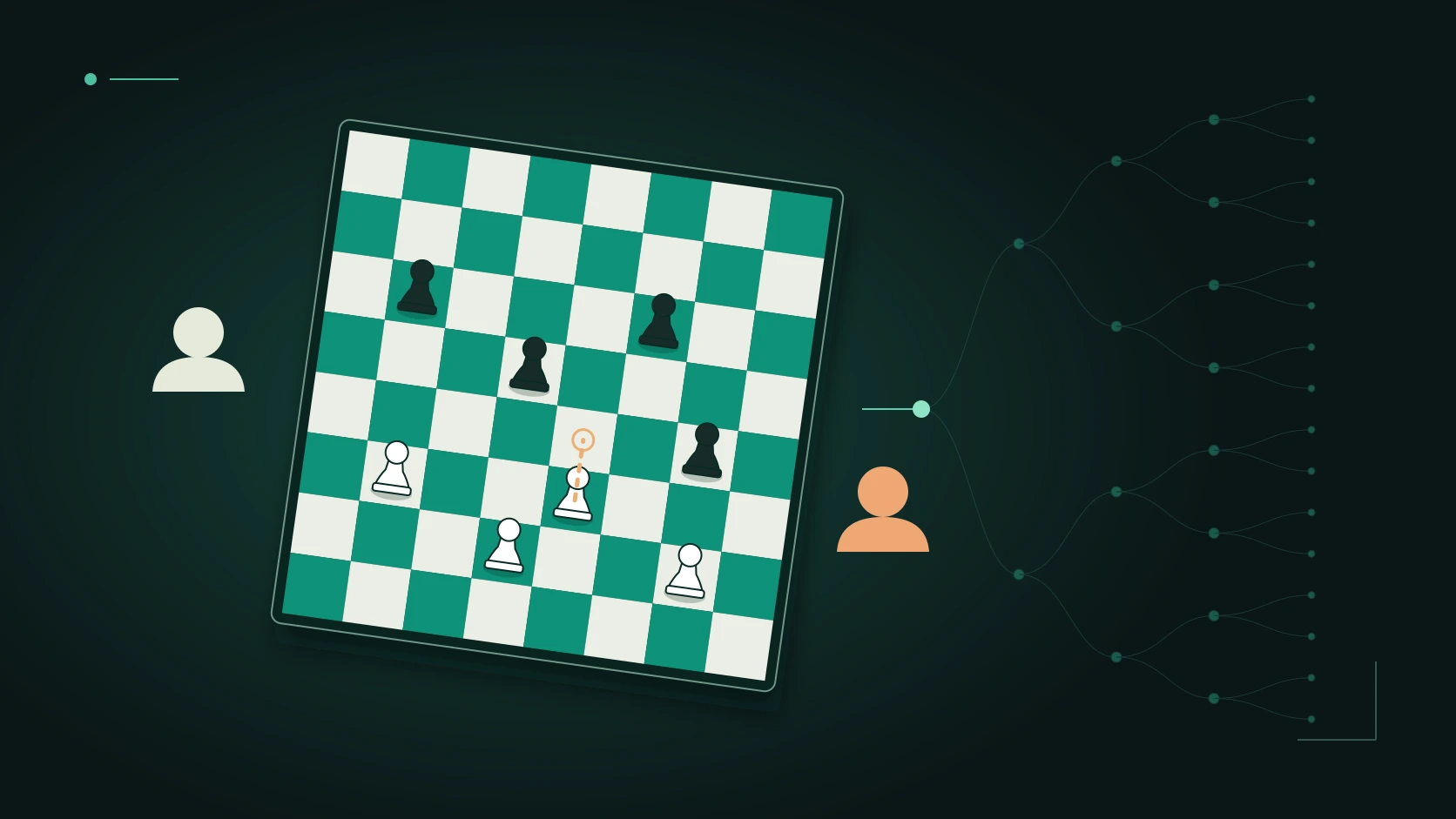
Conceptual vector illustration: two people keep playing chess beside a tree of possible moves calculated by a machine.
AI, work and society

AI plays better. We keep playing.

AI-assisted mods reopen a question troubling artists and mathematicians: why keep going when a machine can do it? Chess offers a clue.

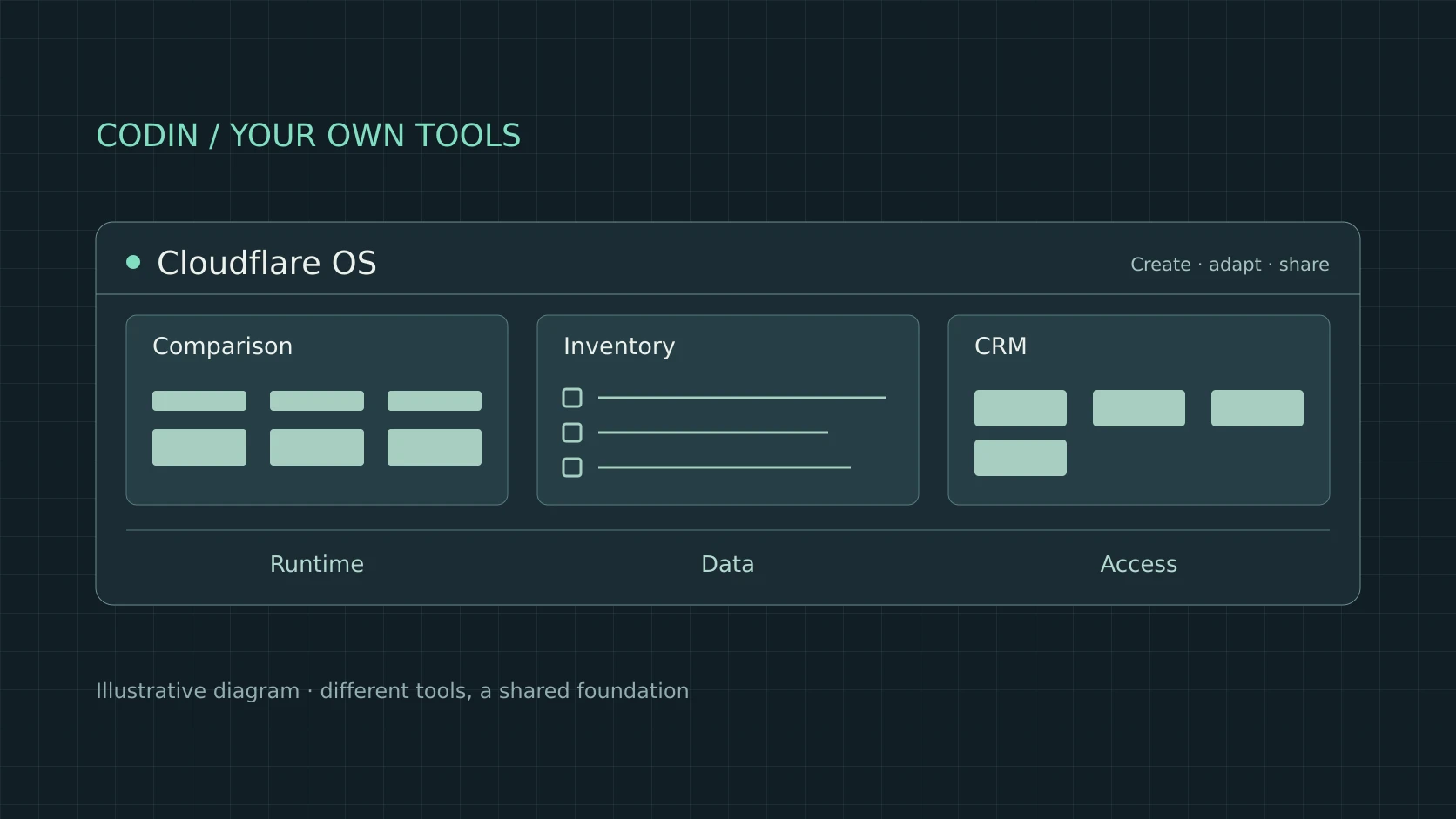
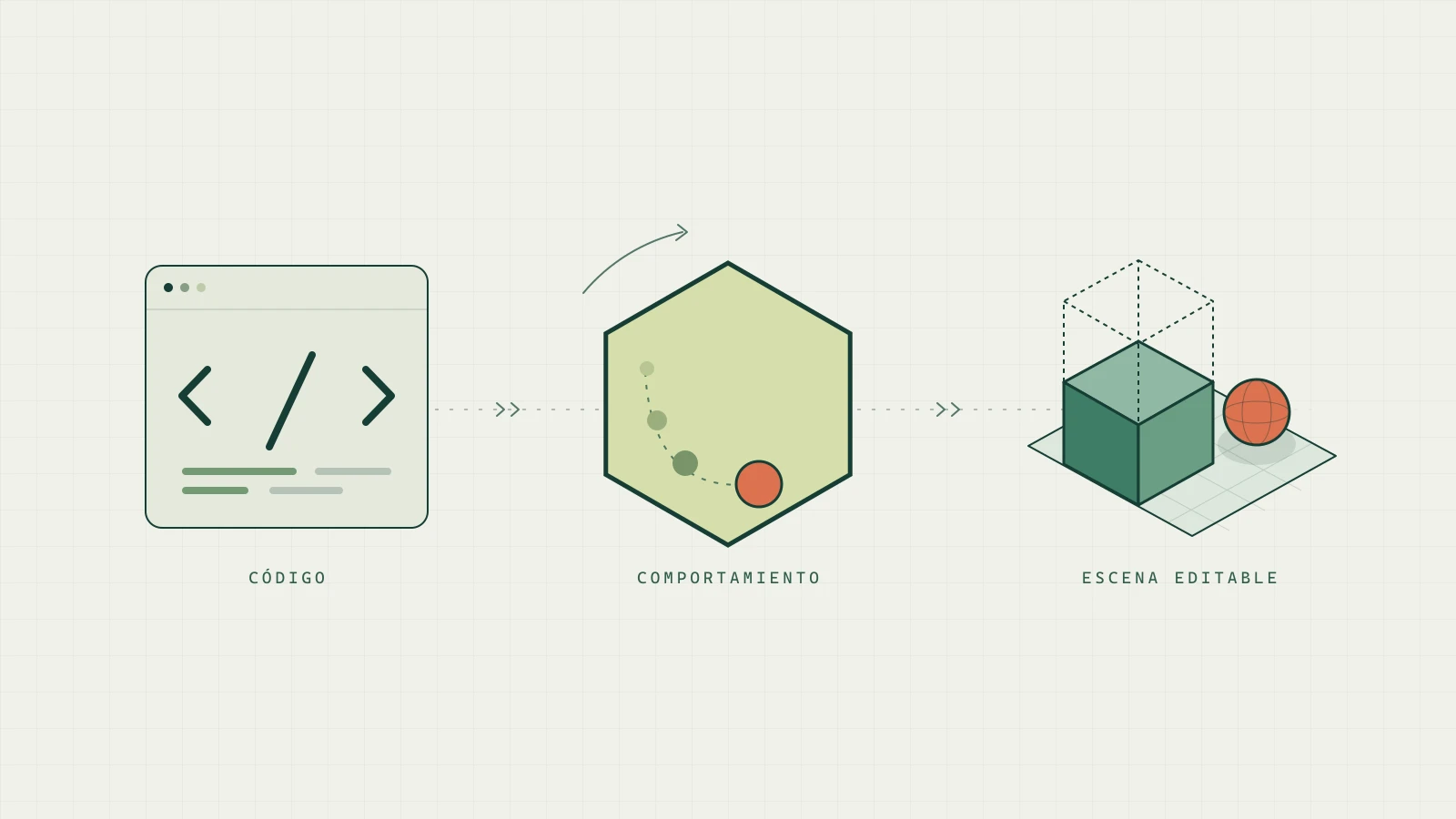
Code-generated illustration: Cloudflare OS brings different tools together on a shared foundation of execution, data and access.
AI, work and society

Cloudflare OS: a home for your own tools

We tried Cloudflare OS at Codin: an environment for creating small applications with AI, adapting them and sharing them. Our CRM is a first example.

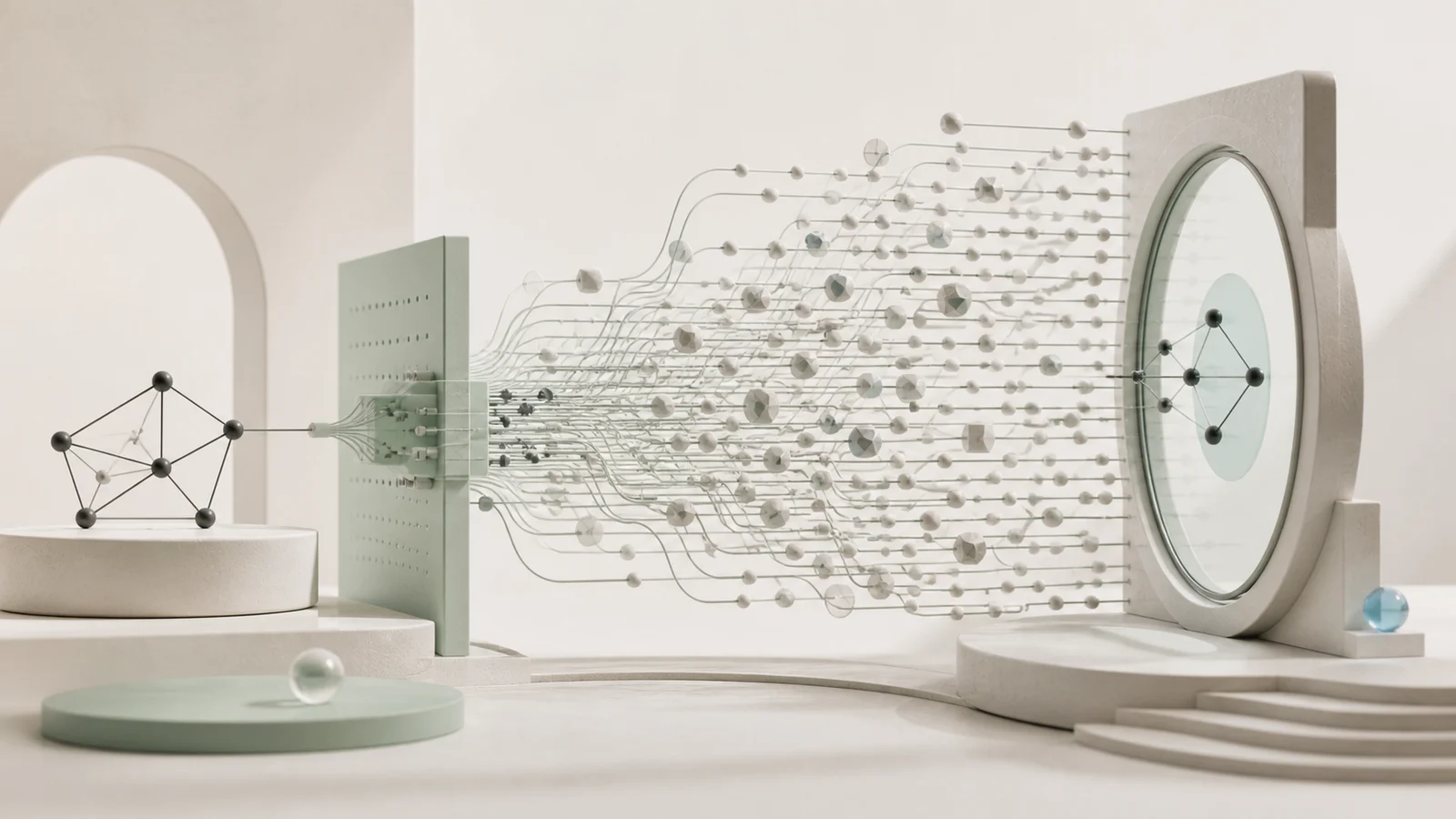
A geometric network passes through a lens that turns it into an understandable structure. Conceptual illustration.
Science and mathematics

A hundred problems solved and a pending responsibility

OpenAI says it has solved more than a hundred open problems and part of the mathematical community responds with a letter. What is being debated, what is being asked and what we think at Codin.

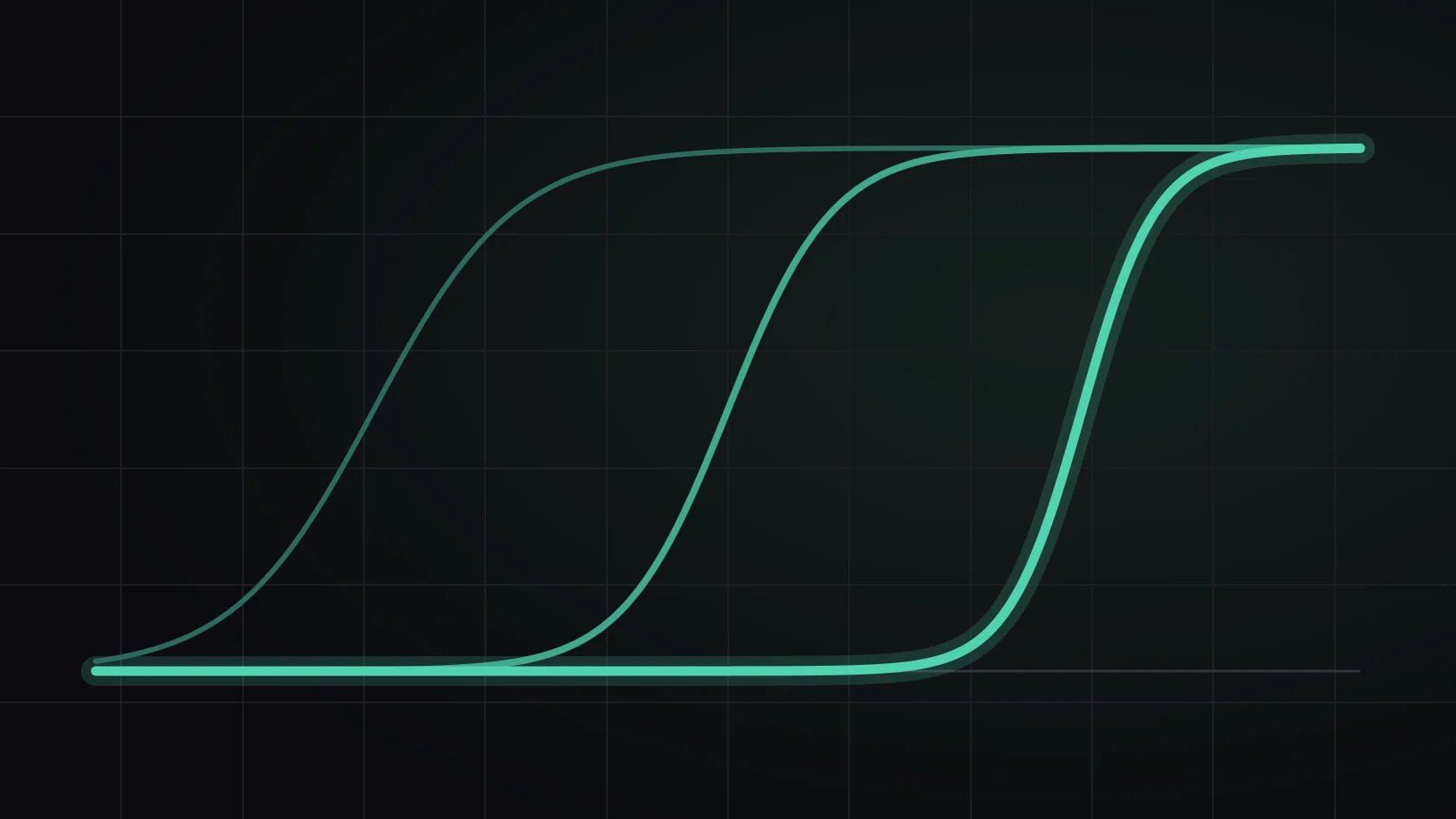
Three staggered S-shaped curves on a dark background represent AI capabilities rising at different moments. Generated image.
Models and capabilities

Why AI seems to improve suddenly at some tasks

A steadily growing underlying capability, tasks that chain many steps and labs that train what they can verify: why AI advances in jumps on specific tasks.

A glass sphere with a network inside connects through thin threads to a key, a terminal, coins, a document, a server and a speech bubble; each thread passes through a small control arch and one of them is frayed. Conceptual illustration.
AI, work and society

Which capabilities would make LLMs more dangerous?

Six capabilities for understanding future LLM risks: the dangers they could enable, the evidence available and what is still missing from the most serious scenarios.

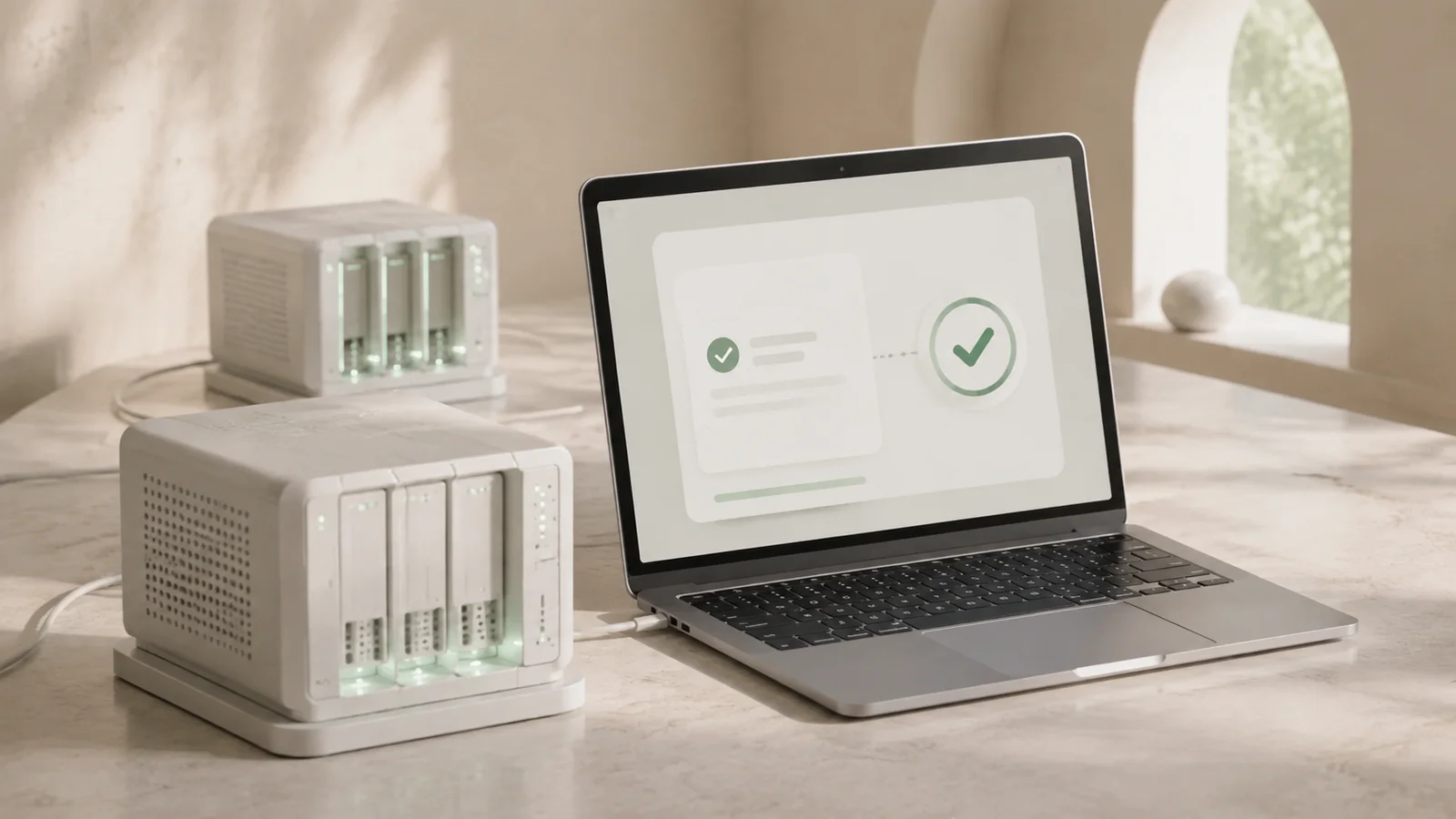
Illustration of two compact servers beside a laptop showing task and payment confirmation, in warm light.
AI, work and society

When an AI can pay its own bill

The important threshold for an AI agent may not be consciousness or superintelligence, but the ability to obtain resources, remain active and reconstruct itself without a clear owner.

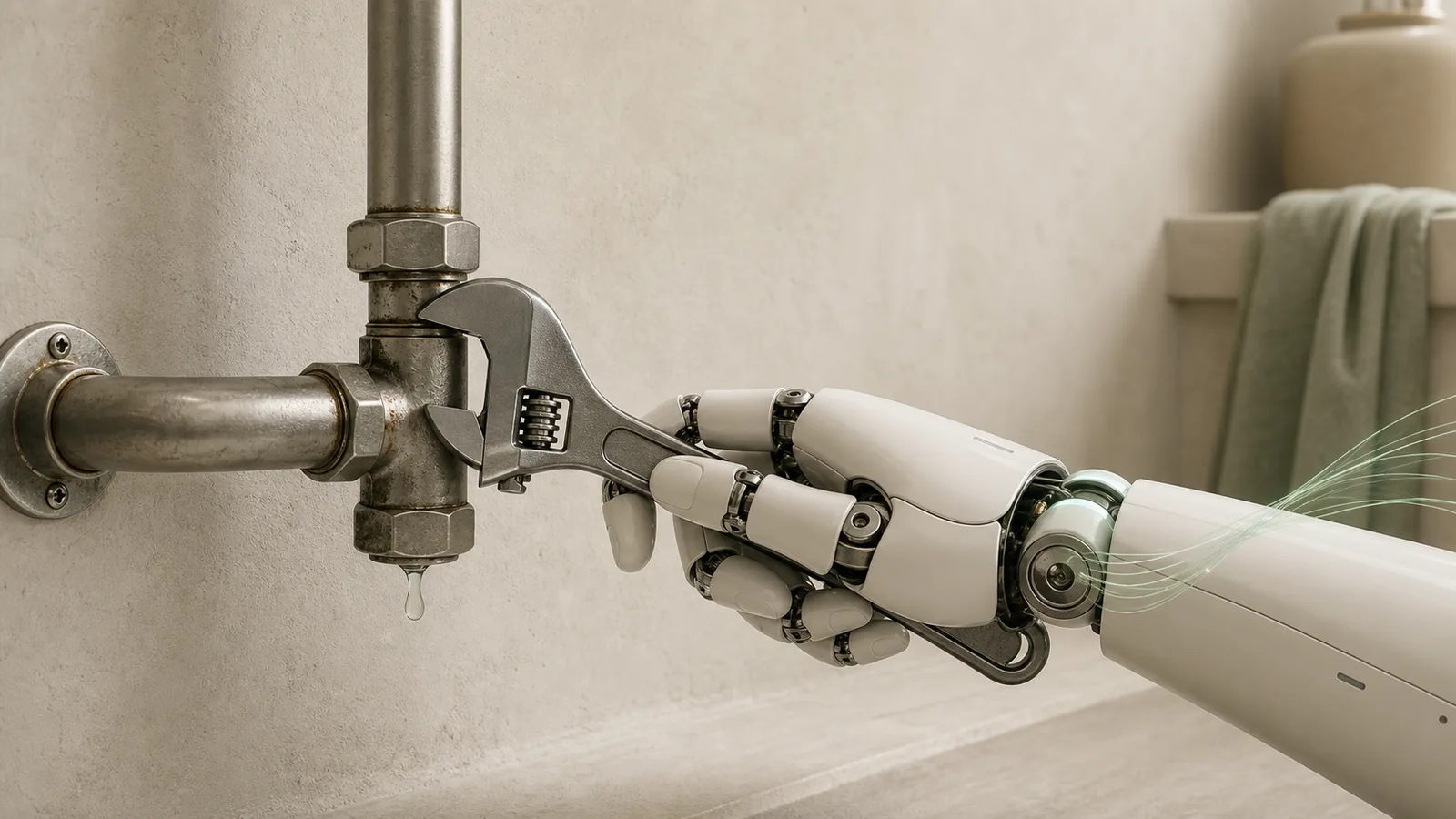
A robotic hand tightens a leaking pipe joint with an adjustable wrench.
Robotics

What it takes for a robot to become a plumber

AI is accelerating robotics, but not all its bottlenecks are moving at the same pace. The plumber test separates intelligence, dexterity, reliability and cost.

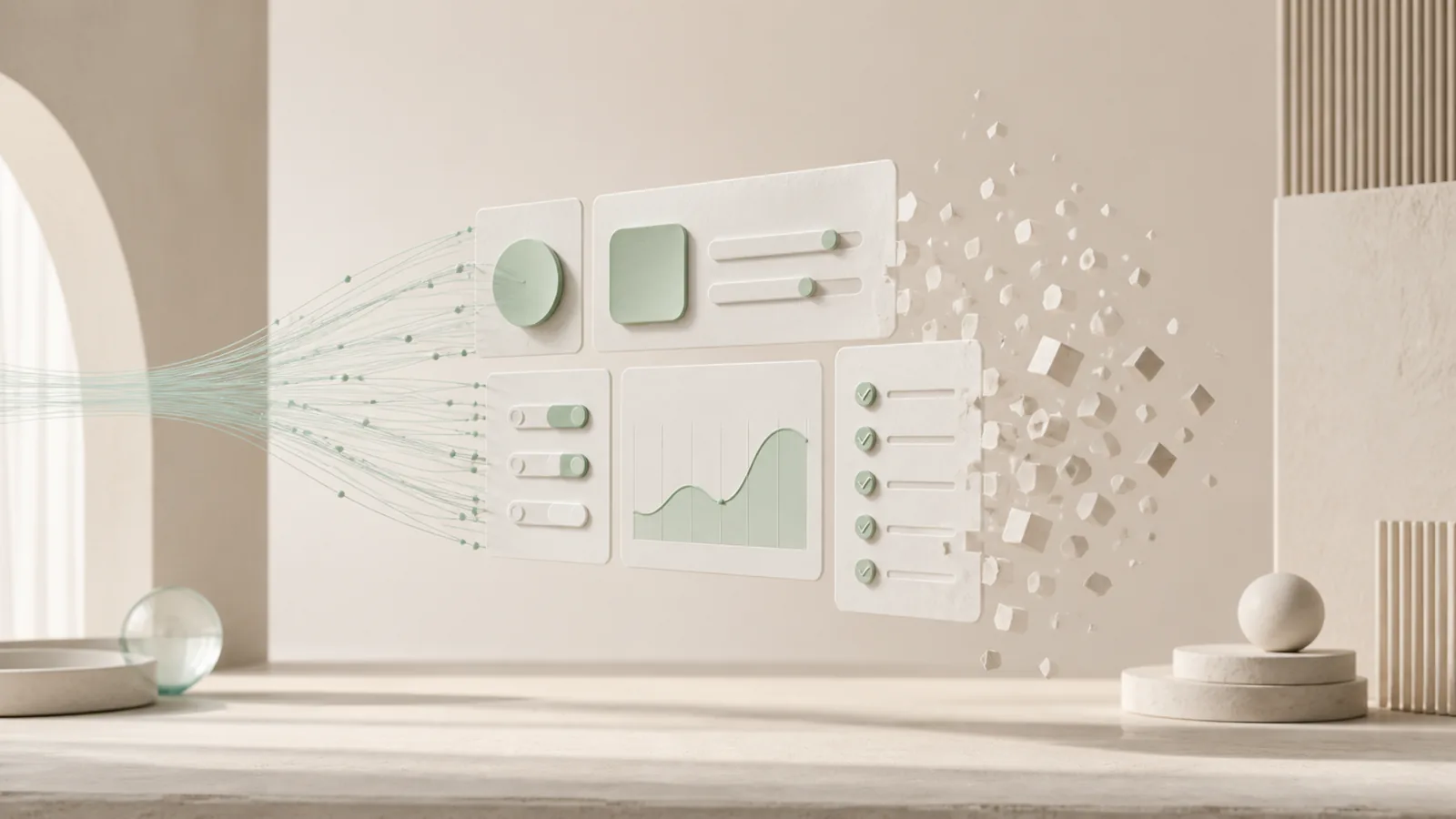
A modular interface forms from fine threads and breaks into small pieces after completing its task.
AI, work and society

When software lasts as long as the problem

Single-use apps propose generating software for a specific need and discarding it afterwards. The interesting idea is not producing more applications, but deciding which parts of software need to last.

A hand draws geometric figures while abstract mint layers represent AI assistance.
AI, work and society

AI can improve an assignment and harm learning

A study of 26,811 students found better homework in less time but worse exams. The issue is not simply using AI, but which effort it replaces.